Horror movies have been a staple of cinema for over a century. From the silent era to the modern age, horror has captivated audiences with its ability to terrify and entertain at the same time. The horror genre has spawned countless classics, from the iconic “Psycho” to the chilling “The Shining,” and continues to evolve with new releases like “Get Out” and “A Quiet Place.” In this book, we will explore the top horror movies of all time, delving into what makes them great and why they continue to terrify and captivate audiences to this day.
In this article, we will examine horror movies that span multiple sub-genres, from found footage to psychological horror to supernatural. We’ll discuss the impact these movies have had on the horror genre and the wider world of cinema, and why they continue to be relevant and beloved by horror fans. We’ll also take a closer look at the cultural and social context of each movie, exploring how they reflect the anxieties and fears of their time and how they have influenced other works of horror.
Whether you’re a longtime fan of horror movies or new to the genre, this book will provide you with a comprehensive guide to the top horror movies of all time. We hope that our analysis and commentary will help you gain a deeper appreciation for the genre and the movies that have made it what it is today. So, turn off the lights, grab some popcorn, and let’s dive into the world of horror.
Chapter 1: Classics
No discussion of horror movies would be complete without mentioning the classics that have become cultural touchstones. These movies have stood the test of time and continue to terrify and enthrall audiences to this day. In this chapter, we’ll explore the top classic horror movies of all time.
Psycho (1960) Directed by Alfred Hitchcock, “Psycho” is a true masterpiece of the horror genre. The movie tells the story of Marion Crane (Janet Leigh), who steals money from her employer and checks into the Bates Motel, where she meets the owner, Norman Bates (Anthony Perkins). The movie is filled with suspense, twists, and turns, and is famous for its iconic shower scene.
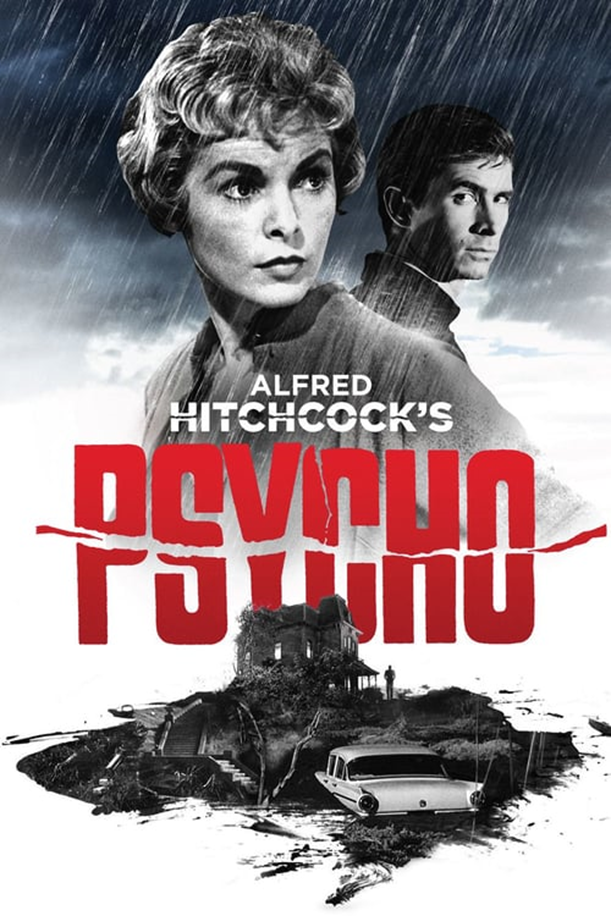
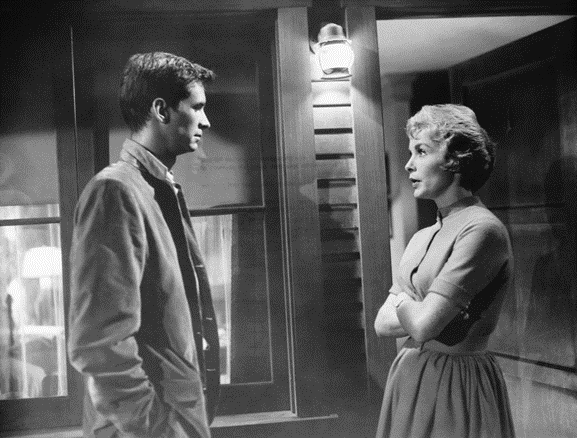
The Shining (1980) Based on the novel by Stephen King, “The Shining” is a psychological horror movie directed by Stanley Kubrick. The movie stars Jack Nicholson as Jack Torrance, a writer who takes a job as the winter caretaker of the isolated Overlook Hotel. As the hotel’s supernatural forces begin to affect Jack’s sanity, he becomes increasingly violent and dangerous. The movie is known for its eerie atmosphere, haunting score, and iconic scenes, such as the blood-filled elevator and the “Here’s Johnny!” scene.
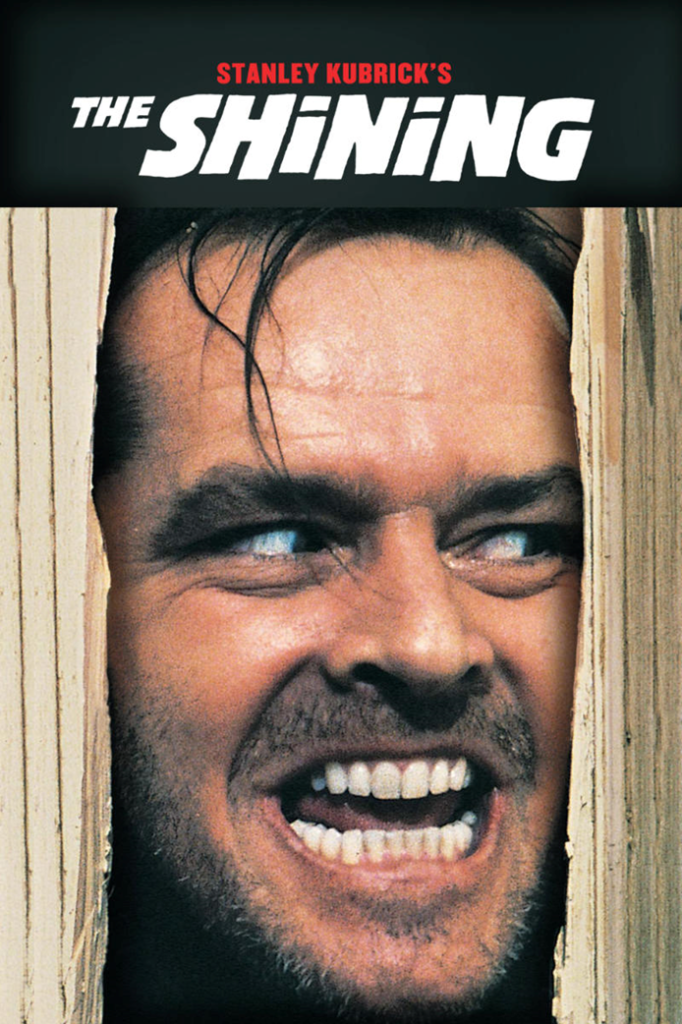
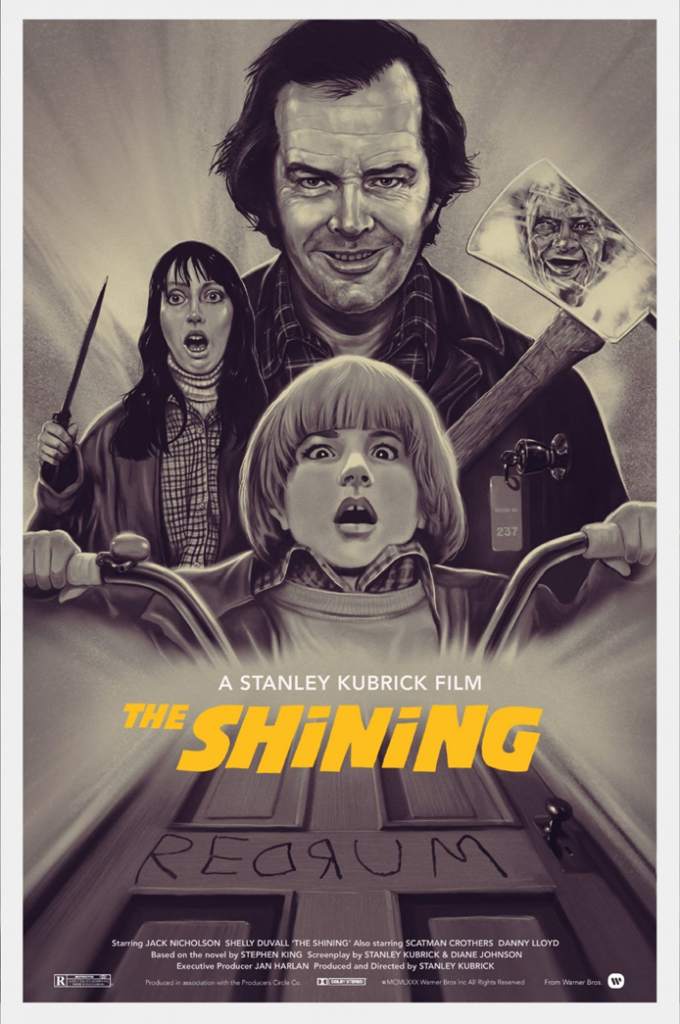
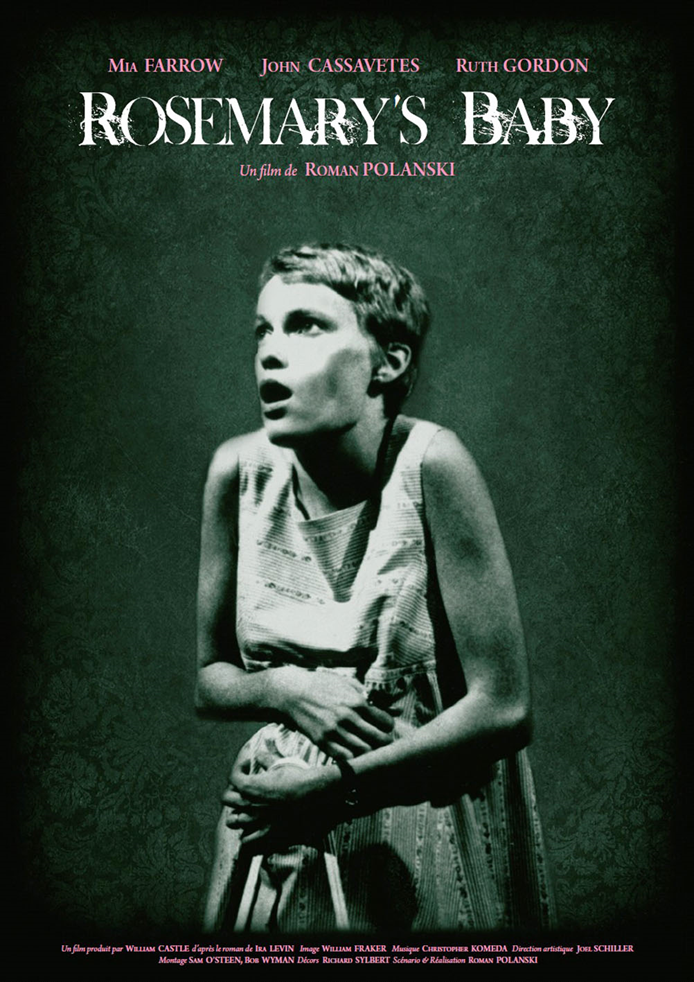
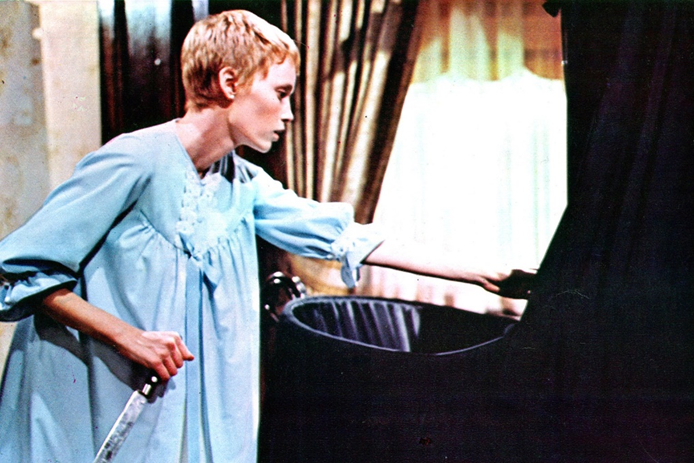
Rosemary’s Baby (1968) Directed by Roman Polanski, “Rosemary’s Baby” is a slow-burning horror movie about a young woman, Rosemary Woodhouse (Mia Farrow), who becomes pregnant after moving into an apartment with her husband. As Rosemary’s pregnancy progresses, she becomes increasingly convinced that her neighbors are part of a Satanic cult and that they are planning to steal her baby. The movie is known for its subtle and psychological approach to horror, as well as its shocking ending.
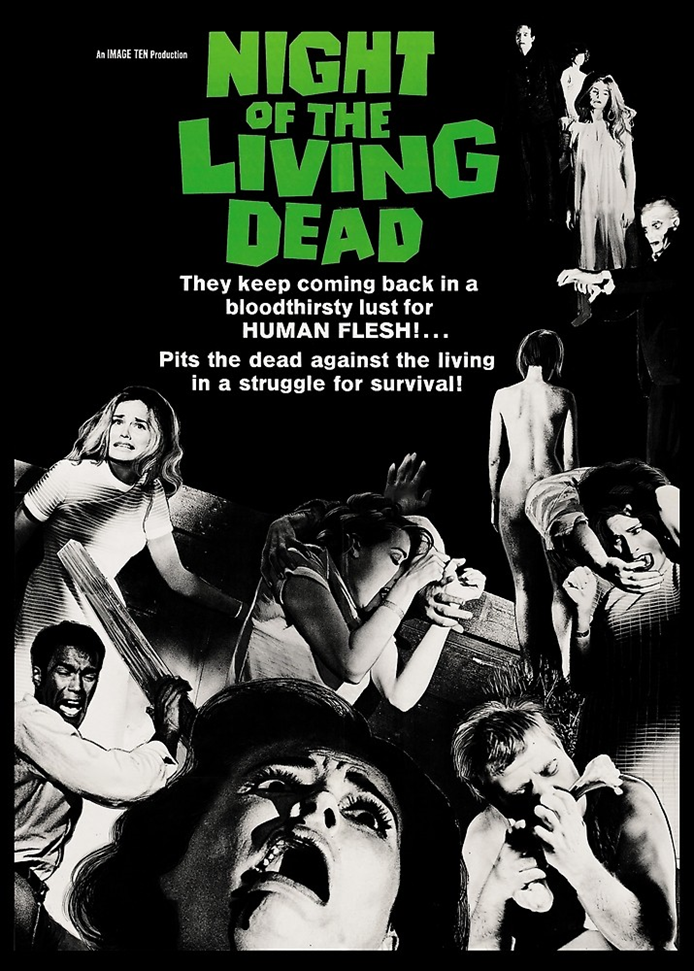
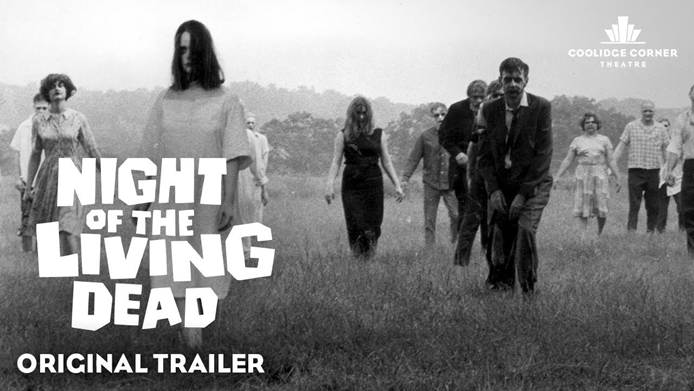
Night of the Living Dead (1968) Directed by George A. Romero, “Night of the Living Dead” is a low-budget horror movie that revolutionized the zombie sub-genre. The movie takes place in a small Pennsylvania town, where the dead are returning to life and attacking the living. The movie is known for its social commentary and its depiction of the breakdown of society in the face of a zombie apocalypse.
These classic horror movies have set the standard for the genre and continue to influence and inspire horror filmmakers today. They are must-watch movies for any horror fan and demonstrate the power of horror to capture our deepest fears and anxieties.
Chapter 2: Supernatural Horror
Supernatural horror movies are among the most popular and enduring sub-genres of horror. These movies often feature ghosts, demons, or other supernatural entities that terrorize their victims. In this chapter, we’ll explore the top supernatural horror movies of all time.
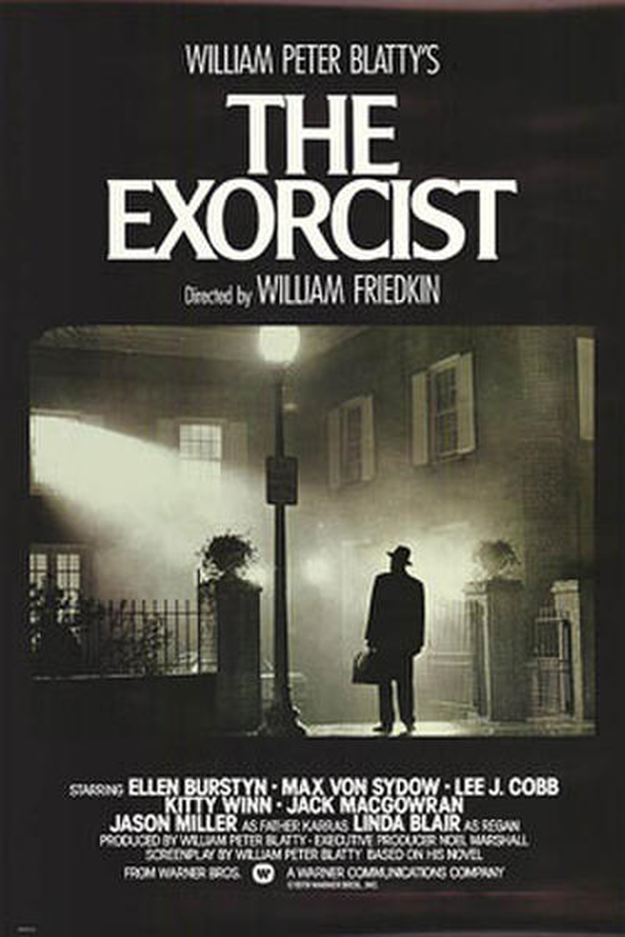
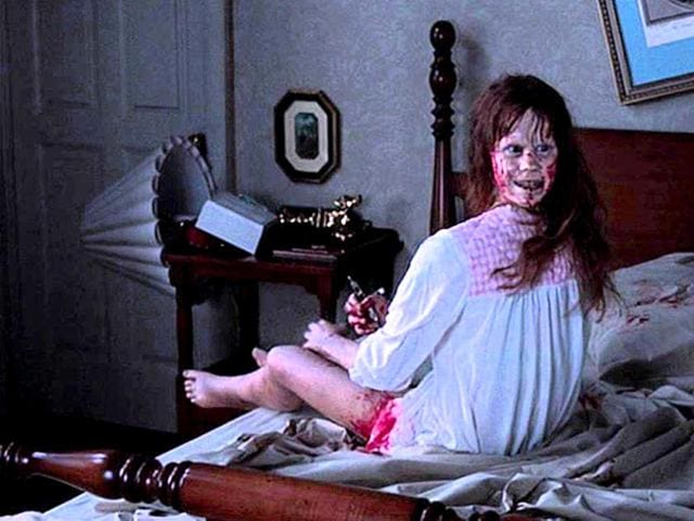
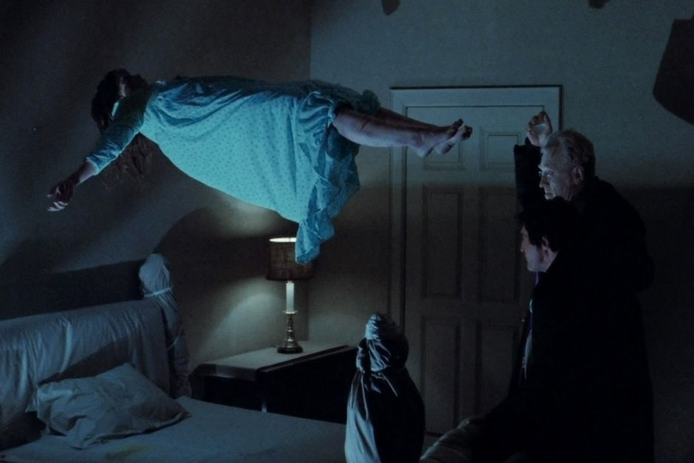
The Exorcist (1973) Directed by William Friedkin, “The Exorcist” is a classic supernatural horror movie that has become a cultural phenomenon. The movie tells the story of a young girl, Regan (Linda Blair), who becomes possessed by a demon, and the efforts of two priests to exorcise the demon. The movie is known for its shocking scenes, including Regan’s head-spinning and projectile vomiting, and its exploration of faith and the battle between good and evil.
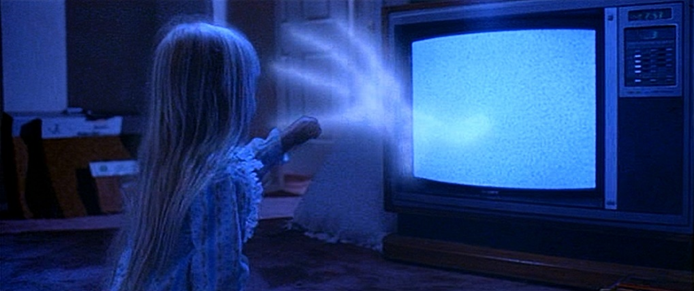
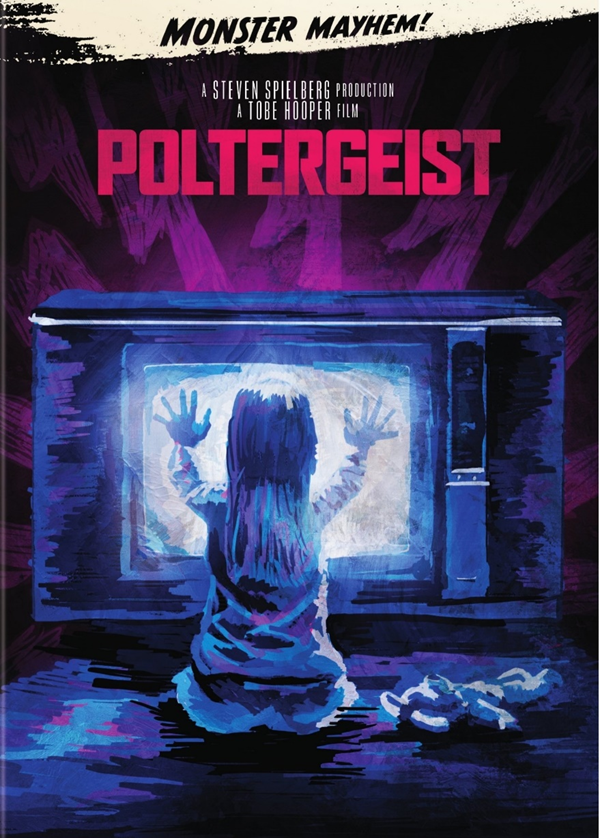
Poltergeist (1982) Directed by Tobe Hooper, “Poltergeist” is a supernatural horror movie about a suburban family whose home is haunted by malevolent spirits. The movie is known for its iconic scenes, including the ghostly hand emerging from the television and the little girl’s haunting declaration, “They’re here!” The movie explores themes of family, loss, and the unknown.
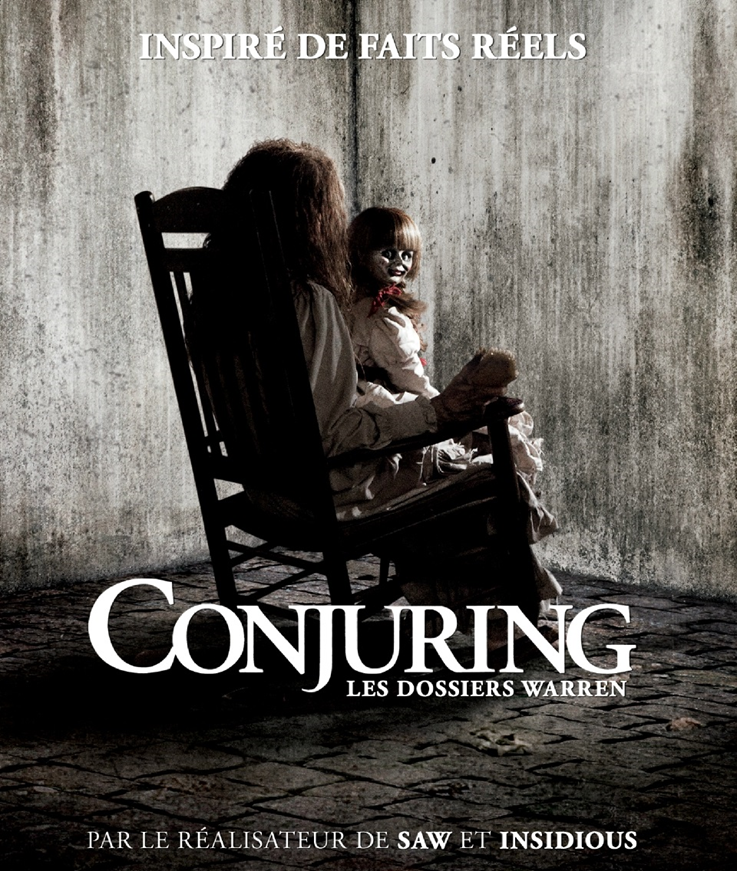
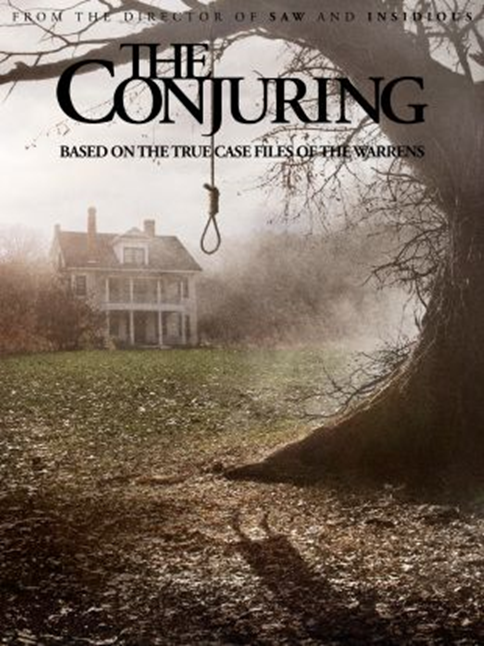
The Conjuring (2013) Directed by James Wan, “The Conjuring” is a modern classic of supernatural horror. The movie tells the story of a family who moves into a haunted farmhouse and the efforts of paranormal investigators to rid the home of its evil spirits. The movie is known for its suspenseful atmosphere, jump scares, and its grounded approach to the supernatural.
These supernatural horror movies have terrified and entertained audiences for decades, and continue to inspire new generations of horror filmmakers. They demonstrate the power of the supernatural to tap into our deepest fears and anxieties, and the enduring appeal of ghosts and demons in the horror genre.
Chapter 3: Slashers
Slashers are a popular sub-genre of horror movies that typically involve a masked killer who stalks and brutally murders his or her victims. These movies often have a high body count and plenty of gore, making them a favorite of horror fans. In this chapter, we’ll explore the top slasher movies of all time.
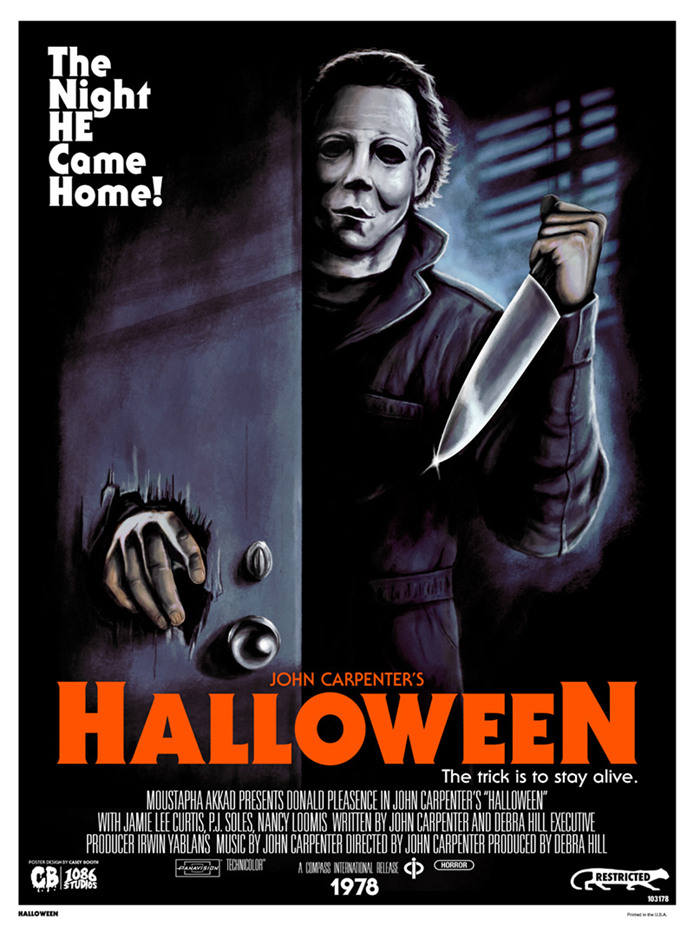
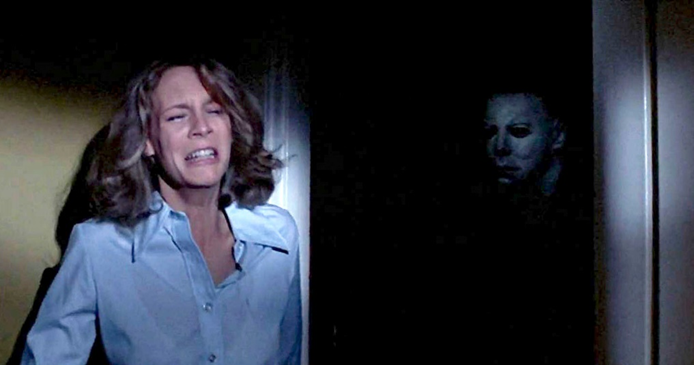
Halloween (1978) Directed by John Carpenter, “Halloween” is a classic slasher movie that helped define the sub-genre. The movie tells the story of Michael Myers, who escapes from a mental institution and returns to his hometown to stalk and kill teenagers. The movie is known for its suspenseful atmosphere, chilling score, and iconic villain.
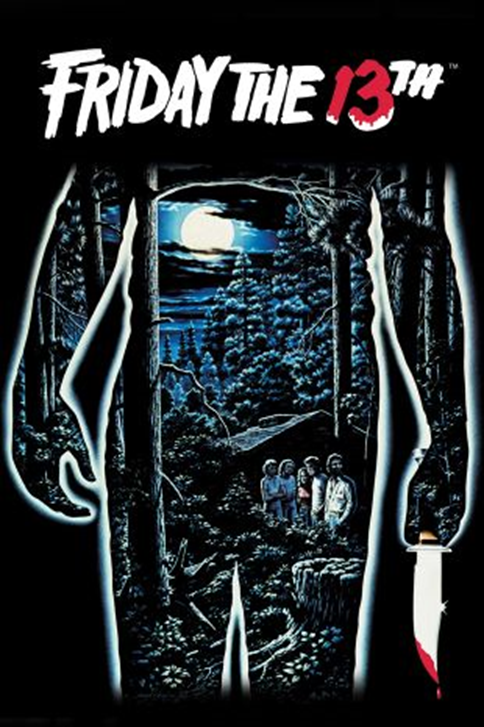
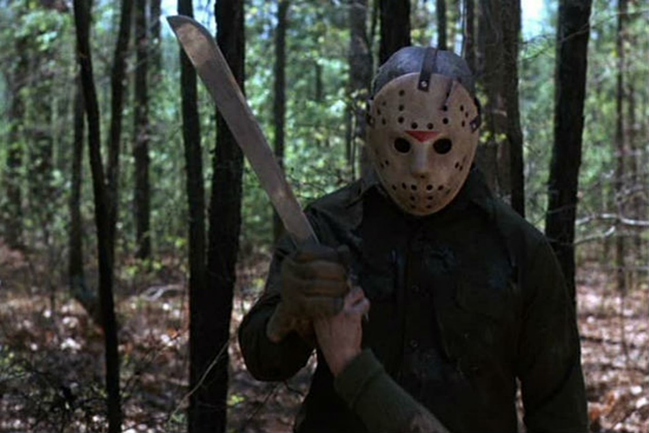
Friday the 13th (1980) Directed by Sean S. Cunningham, “Friday the 13th” is another classic slasher movie that has become a cultural touchstone. The movie takes place at Camp Crystal Lake, where a group of counselors are stalked and killed by an unknown assailant. The movie is known for its gory kills and iconic villain, Jason Voorhees.
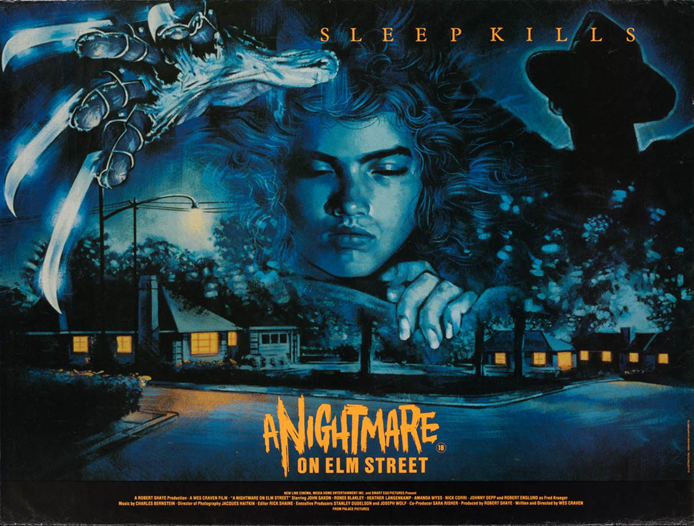
A Nightmare on Elm Street (1984) Directed by Wes Craven, “A Nightmare on Elm Street” is a slasher movie with a supernatural twist. The movie tells the story of Freddy Krueger, a disfigured and burned man who haunts the dreams of teenagers and kills them in their sleep. The movie is known for its inventive kills and surreal dream sequences.
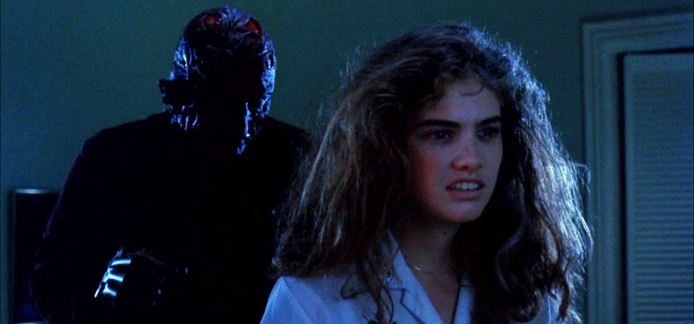
These slasher movies have become synonymous with the horror genre, and have spawned countless sequels and imitators. They tap into our primal fears of being stalked and hunted, and showcase the creativity and inventiveness of horror filmmakers.
Chapter 4: Psychological Horror
Psychological horror movies are a sub-genre of horror that focuses on the mental and emotional states of the characters. These movies often feature unreliable narrators, distorted realities, and unsettling imagery that explores the depths of human psychology. In this chapter, we’ll explore the top psychological horror movies of all time.
Psycho (1960) Directed by Alfred Hitchcock, “Psycho” is a psychological horror movie that tells the story of a young woman (Janet Leigh) who steals money from her employer and ends up at the Bates Motel, where she meets the seemingly harmless Norman Bates (Anthony Perkins). The movie is known for its iconic shower scene and its exploration of madness and identity.
The Shining (1980) Directed by Stanley Kubrick, “The Shining” is a psychological horror movie that explores the descent into madness of its protagonist, Jack Torrance (Jack Nicholson). As Torrance takes a job as the winter caretaker of an isolated hotel, his grip on reality begins to slip, leading to horrifying consequences. The movie is known for its surreal imagery, haunting score, and iconic scenes, such as the blood-filled elevator and the “Here’s Johnny!” scene.
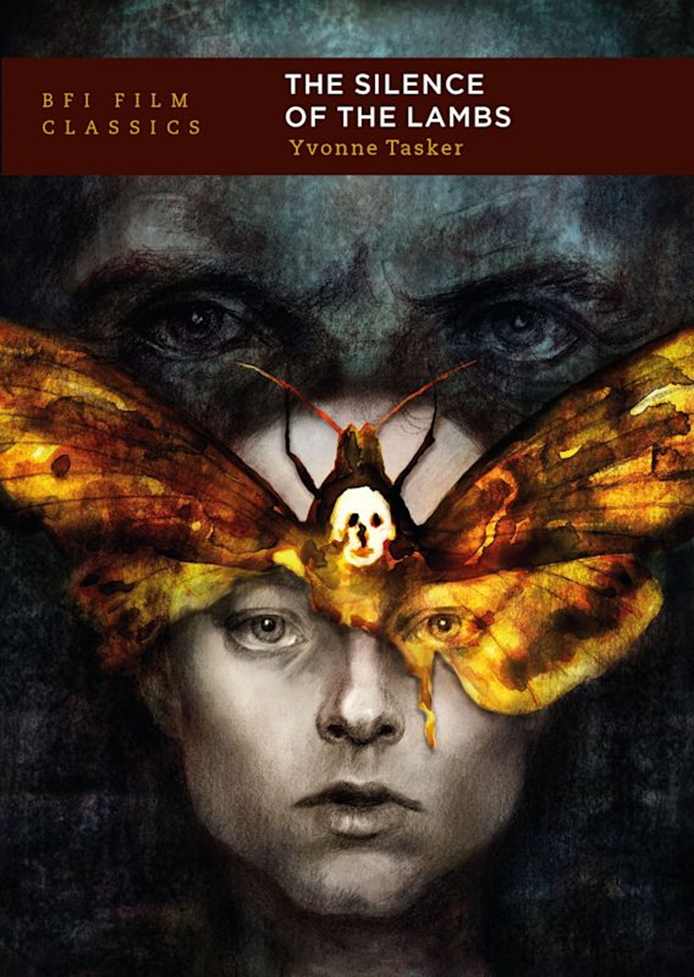
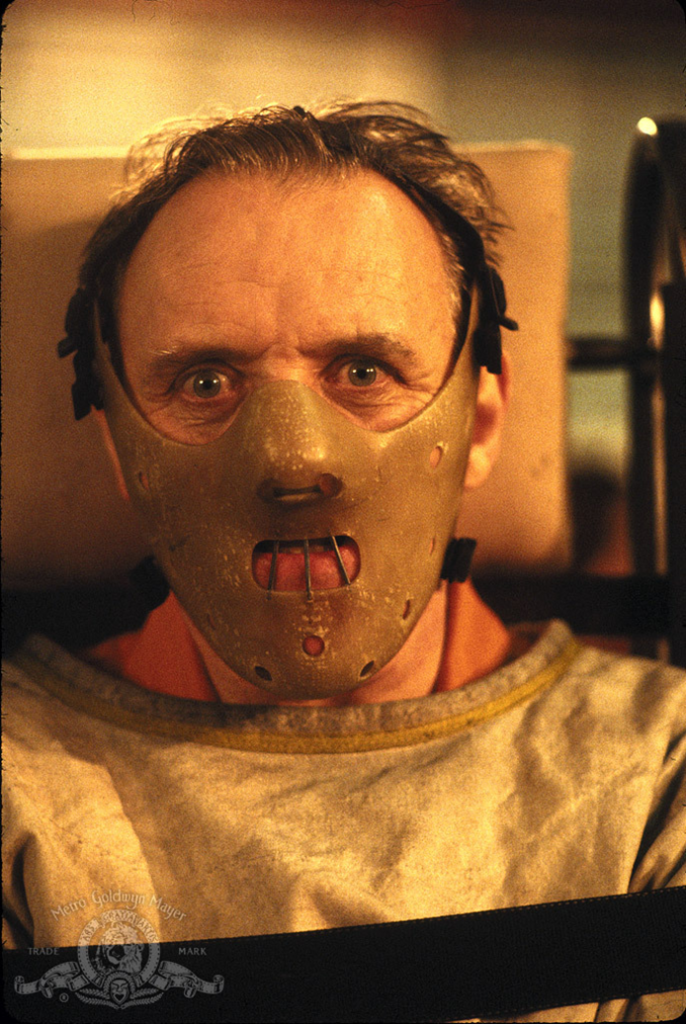
Silence of the Lambs (1991) Directed by Jonathan Demme, “Silence of the Lambs” is a psychological horror movie that delves into the mind of a serial killer, Dr. Hannibal Lecter (Anthony Hopkins), as well as that of the movie’s protagonist, FBI agent Clarice Starling (Jodie Foster). The movie is known for its tense and suspenseful atmosphere, as well as its exploration of gender and power dynamics.
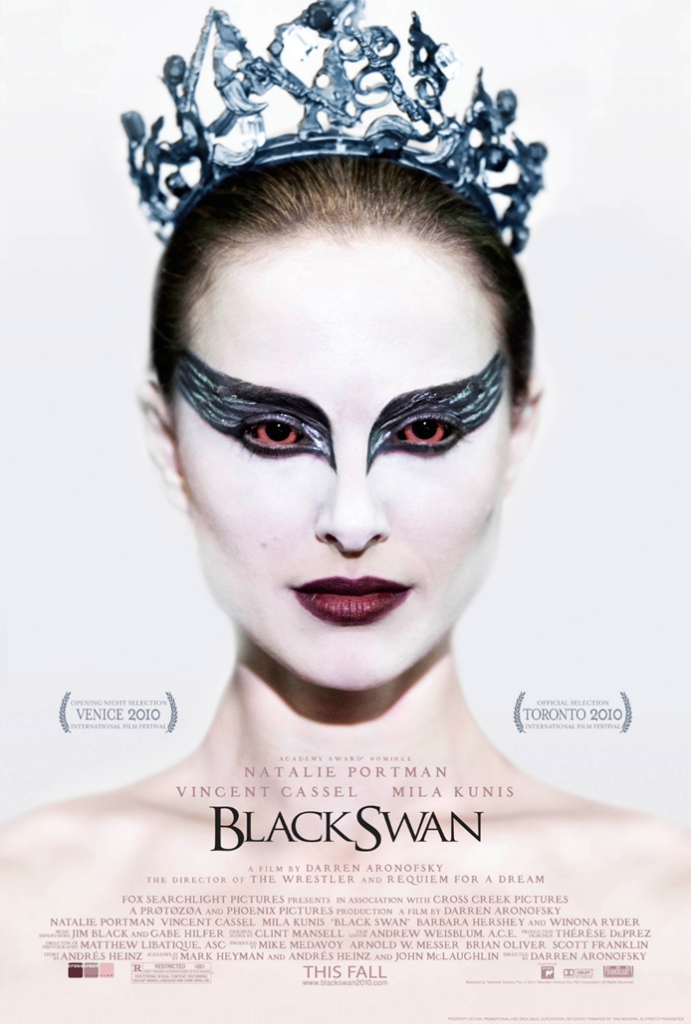
Black Swan (2010) Directed by Darren Aronofsky, “Black Swan” is a psychological horror movie that explores the psyche of its protagonist, Nina (Natalie Portman), a ballerina striving for perfection in her craft. As Nina prepares for her role as the Swan Queen in “Swan Lake,” she becomes increasingly unhinged and begins to lose touch with reality. The movie is known for its surreal and hallucinatory imagery, as well as Portman’s haunting and unforgettable performance.
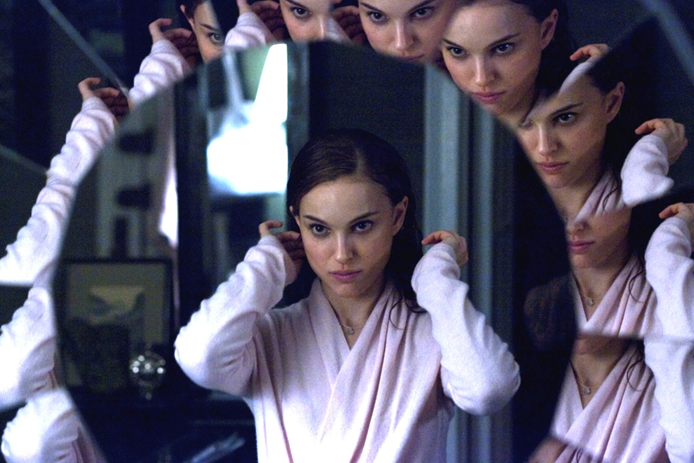
These psychological horror movies showcase the power of the human mind to terrify and unsettle us, and offer a unique perspective on the horror genre. They explore the dark and twisted corners of our psyches, and demonstrate the artistry and craftsmanship of horror filmmakers.
Chapter 5: Found Footage
Found footage movies are a sub-genre of horror that simulate the experience of watching raw, unedited footage that has been found after a traumatic event. These movies often use hand-held cameras and shaky-cam footage to create a sense of realism and immersion for the audience. In this chapter, we’ll explore the top found footage movies of all time.
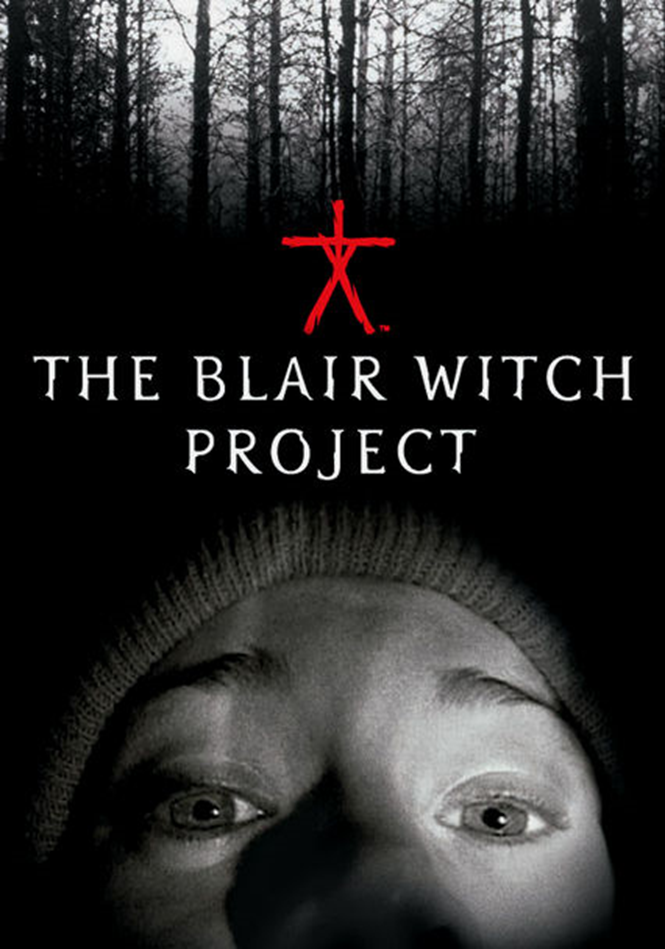
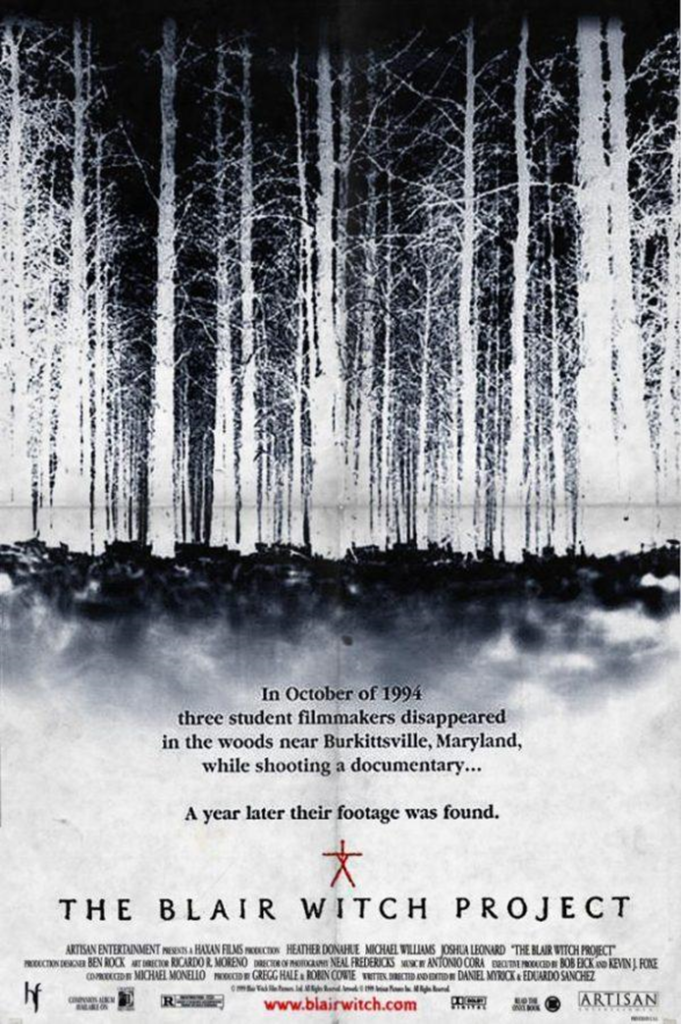
The Blair Witch Project (1999) Directed by Daniel Myrick and Eduardo Sanchez, “The Blair Witch Project” is a found footage movie that popularized the sub-genre. The movie tells the story of three student filmmakers who venture into the woods to investigate the legend of the Blair Witch, only to become lost and terrorized by an unseen force. The movie is known for its realistic and immersive atmosphere, as well as its innovative marketing campaign.
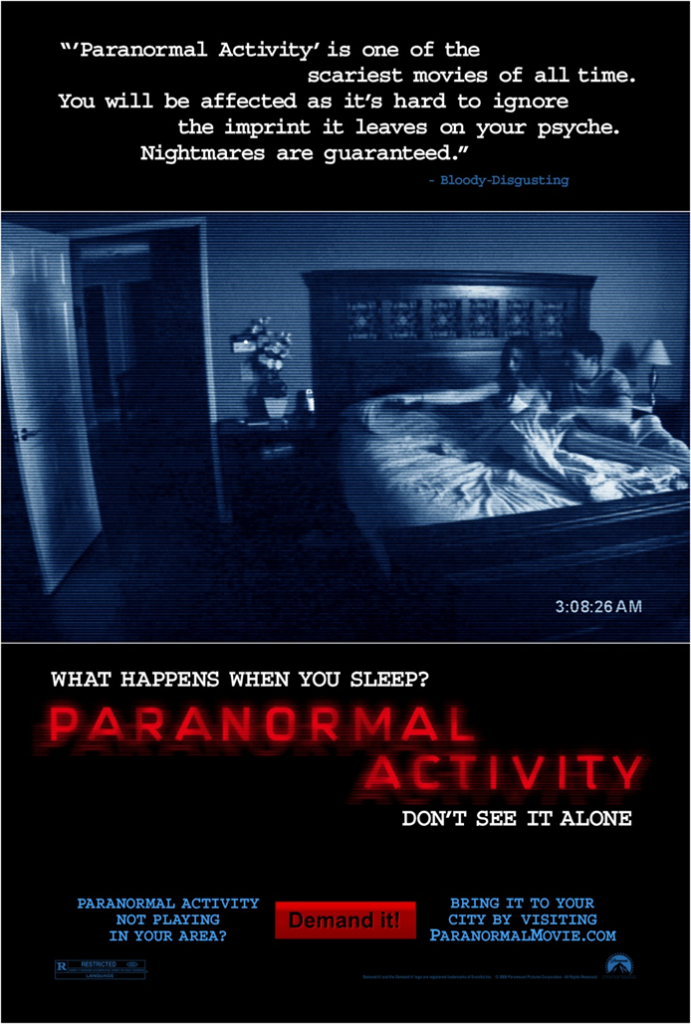
Paranormal Activity (2007) Directed by Oren Peli, “Paranormal Activity” is a found footage movie that centers around a young couple who set up a camera in their bedroom to capture evidence of a demonic presence that has been haunting them. The movie is known for its slow-burn suspense and its effective use of minimalistic scares, as well as its low budget and massive box office success.
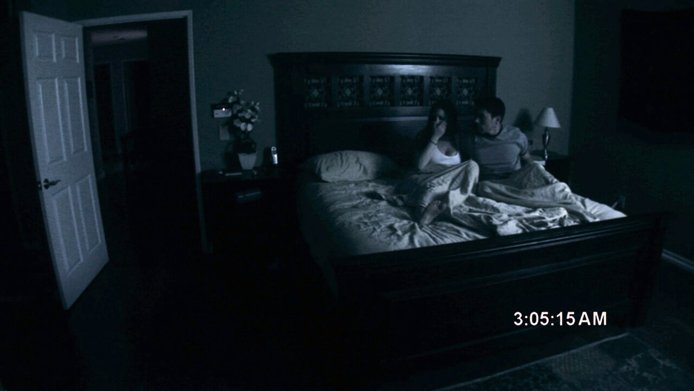
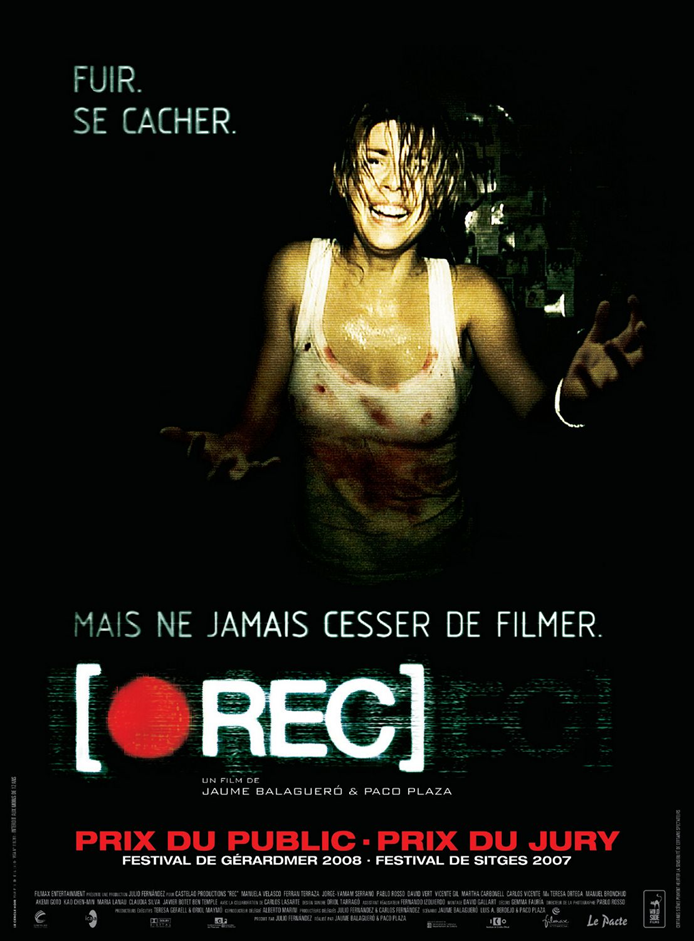
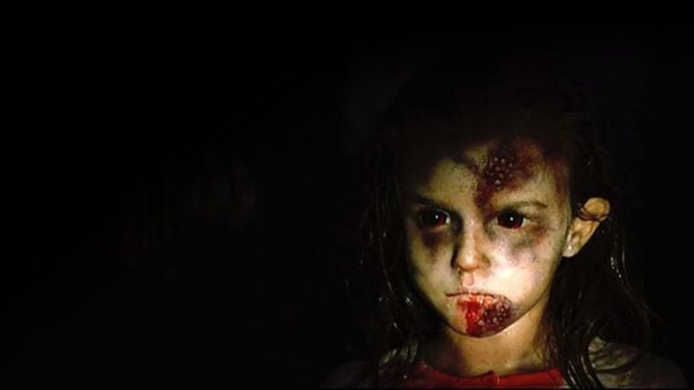
REC (2007) Directed by Jaume Balaguero and Paco Plaza, “REC” is a Spanish found footage movie that follows a TV reporter and her cameraman as they document a night in a quarantined apartment building, only to become trapped with the building’s other occupants as they are stalked and attacked by a mysterious virus. The movie is known for its intense and claustrophobic atmosphere, as well as its visceral and gory scares.
These found footage movies offer a unique perspective on the horror genre, immersing the audience in a realistic and visceral experience that feels authentic and terrifying. They demonstrate the power of simple storytelling and innovative filmmaking techniques, and have become a popular and influential sub-genre in horror cinema.
Chapter 6: Gothic Horror
Gothic horror movies are a sub-genre of horror that are heavily influenced by Gothic literature, featuring dark, atmospheric settings, supernatural elements, and themes of madness, romance, and death. In this chapter, we’ll explore the top gothic horror movies of all time.
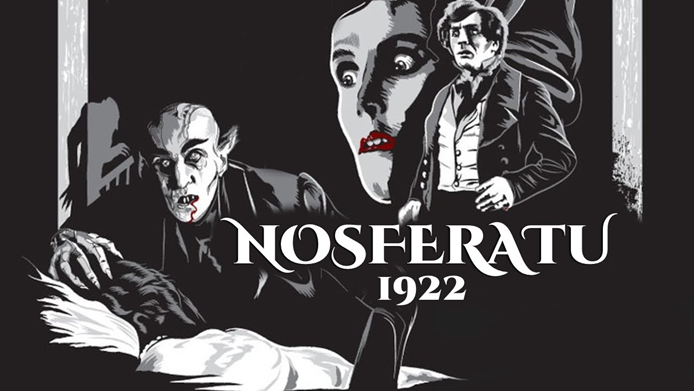
Nosferatu (1922) Directed by F.W. Murnau, “Nosferatu” is a silent horror movie that is widely regarded as one of the greatest horror films ever made. The movie is an unauthorized adaptation of Bram Stoker’s “Dracula,” and features the iconic vampire Count Orlok (Max Schreck) as he travels from his castle in Transylvania to wreak havoc on a German town. The movie is known for its striking and eerie visuals, as well as Schreck’s unforgettable performance.
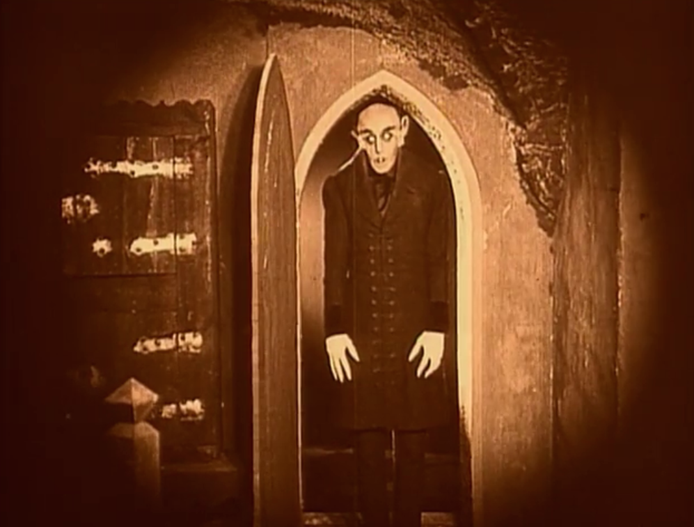
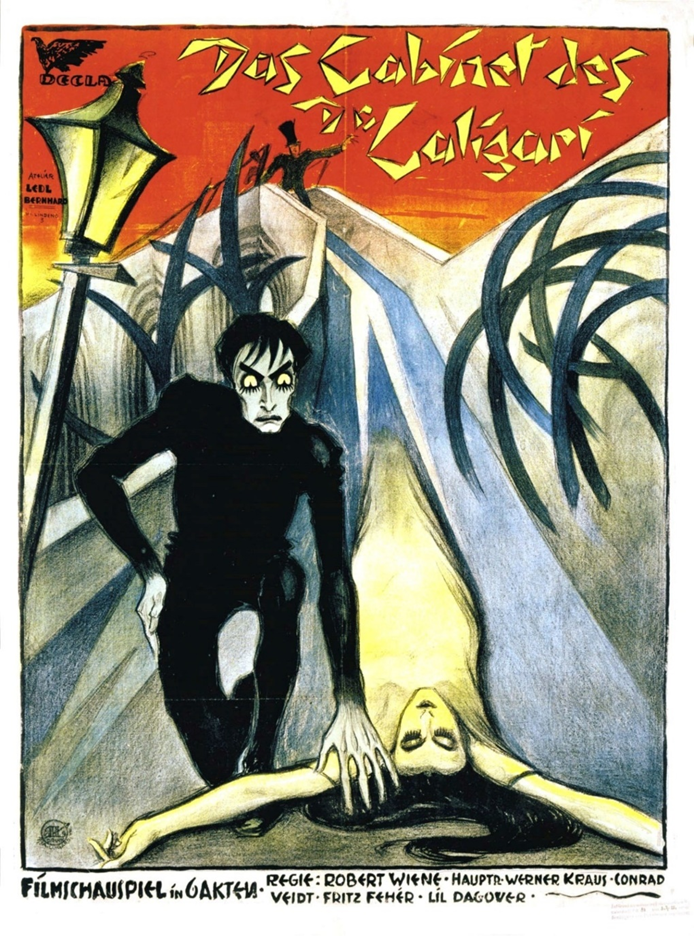
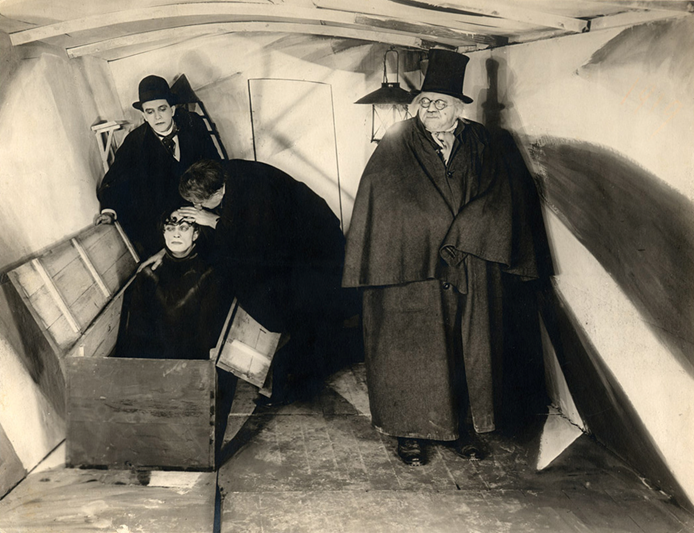
The Cabinet of Dr. Caligari (1920) Directed by Robert Wiene, “The Cabinet of Dr. Caligari” is a silent horror movie that tells the story of a hypnotist who uses a somnambulist to commit murders. The movie is known for its distinctive visual style, which features expressionistic sets, twisted shapes, and stylized acting. It is widely regarded as a classic of the gothic horror genre.
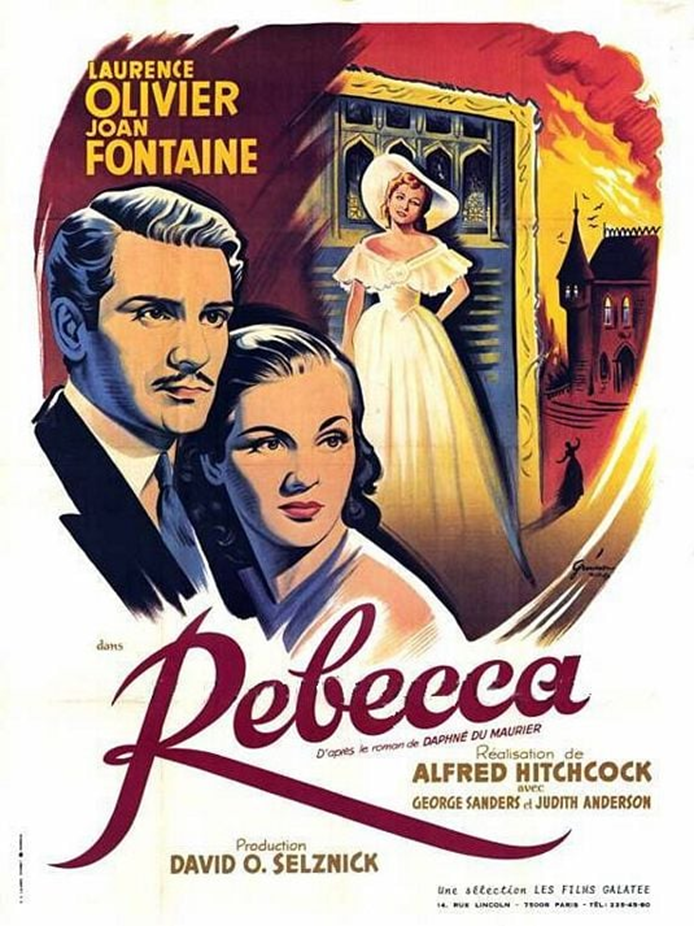
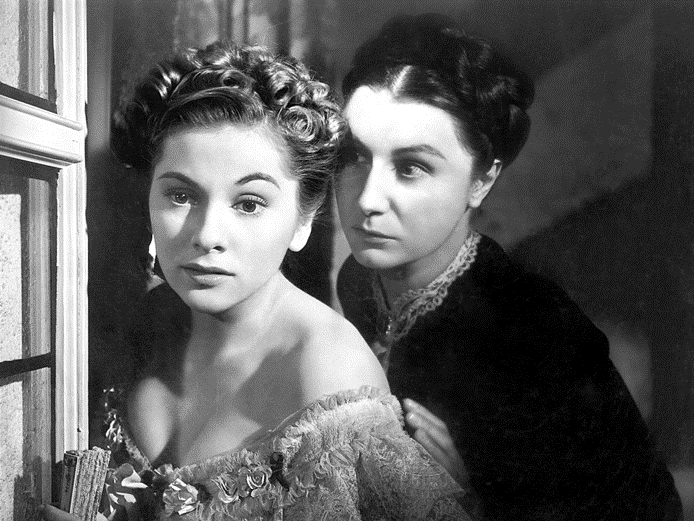
Rebecca (1940) Directed by Alfred Hitchcock, “Rebecca” is a gothic romance movie that centers around a young woman (Joan Fontaine) who marries a wealthy widower (Laurence Olivier) and moves into his secluded estate, only to be haunted by the presence of his deceased first wife, Rebecca. The movie is known for its haunting and atmospheric visuals, as well as its exploration of jealousy, obsession, and secrets.
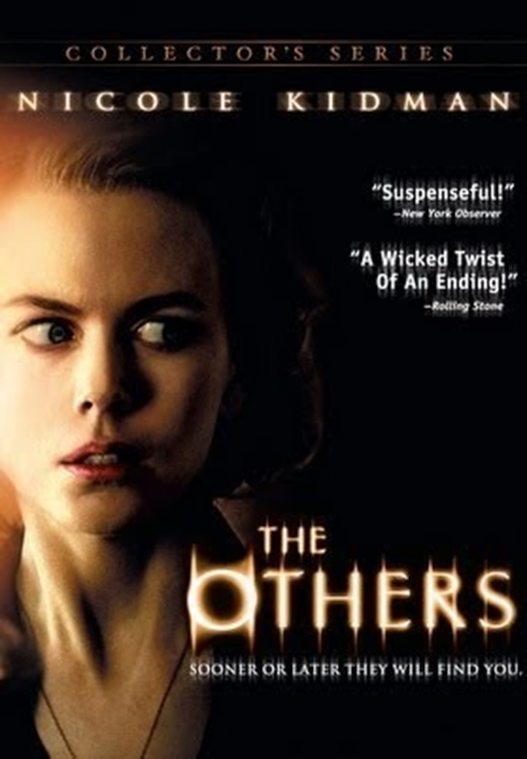
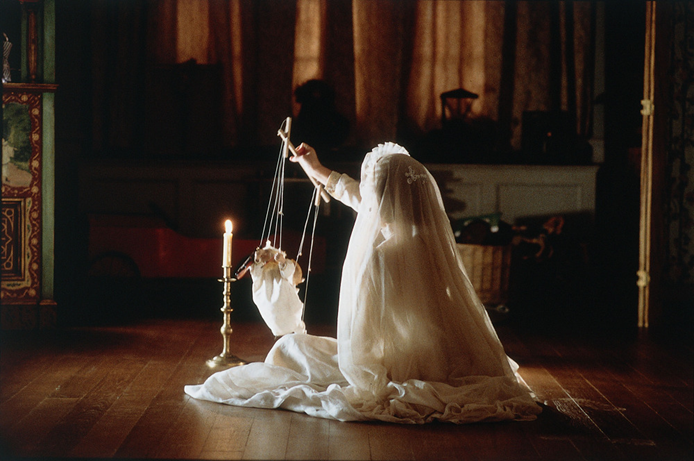
The Others (2001) Directed by Alejandro Amenábar, “The Others” is a gothic horror movie that tells the story of a woman (Nicole Kidman) who lives in a remote mansion with her two children, who are allergic to sunlight. As strange occurrences begin to happen in the house, she starts to suspect that they are not alone. The movie is known for its clever plot twists, its subtle scares, and its atmospheric setting.
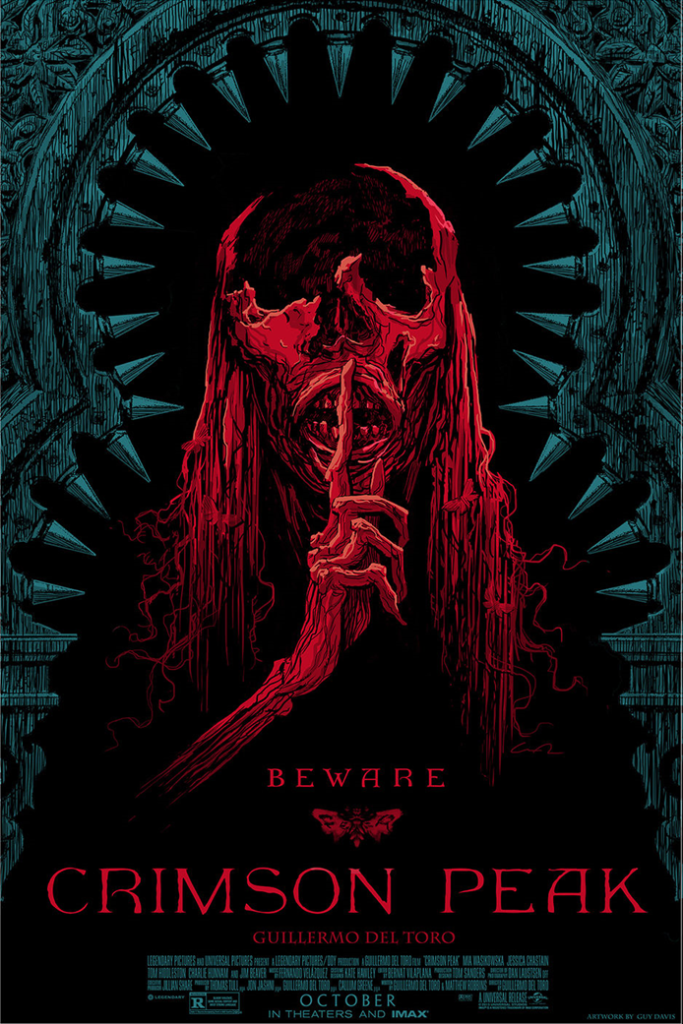
Crimson Peak (2015) Directed by Guillermo del Toro, “Crimson Peak” is a gothic horror movie that tells the story of a young writer (Mia Wasikowska) who marries a wealthy man (Tom Hiddleston) and moves into his dilapidated estate, only to discover the dark secrets that haunt the house and its inhabitants. The movie is known for its lush and opulent visuals, as well as its exploration of love, betrayal, and the supernatural.
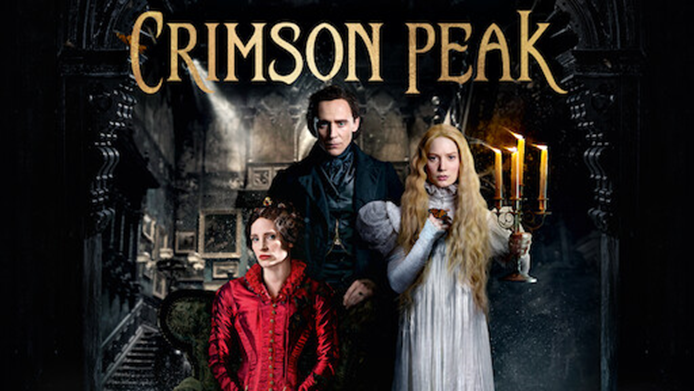
These gothic horror movies transport us to eerie and mysterious settings, immersing us in a world of darkness and romance that is both terrifying and alluring. They demonstrate the power of atmosphere and mood in horror storytelling, and showcase the artistry and craftsmanship of their directors and cinematographers.
Chapter 7: Found Footage Horror
Found footage horror movies are a sub-genre of horror that simulate the experience of watching actual, raw footage of supernatural or horrific events. These movies are typically presented as if they were filmed by amateur or documentary-style filmmakers, often with shaky camera work, low lighting, and minimal special effects. In this chapter, we’ll explore the top found footage horror movies of all time.
The Blair Witch Project (1999) Directed by Daniel Myrick and Eduardo Sánchez, “The Blair Witch Project” is a found footage horror movie that tells the story of three student filmmakers who venture into the woods to document a local legend, only to become lost and terrorized by an unseen force. The movie is known for its innovative use of found footage and its marketing campaign, which blurred the lines between fiction and reality.
Paranormal Activity (2007) Directed by Oren Peli, “Paranormal Activity” is a found footage horror movie that follows a couple who set up a camera in their bedroom to capture evidence of the supernatural activity they believe is haunting their home. The movie is known for its slow-building tension and its use of subtle, low-budget scares.
Cloverfield (2008) Directed by Matt Reeves, “Cloverfield” is a found footage horror movie that follows a group of friends who attempt to survive a giant monster attack on New York City. The movie is known for its intense and chaotic action scenes, as well as its inventive use of handheld camera work to convey the sense of being in the middle of the action.
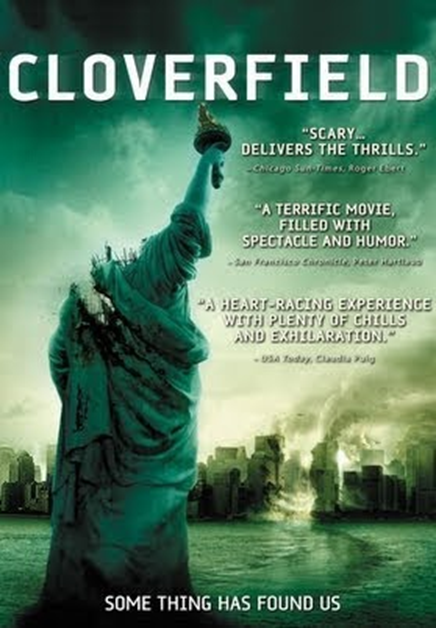
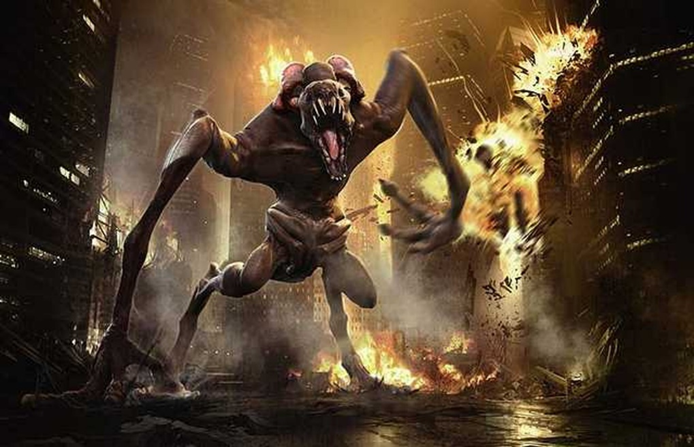
These found footage horror movies blur the line between fiction and reality, immersing us in the raw, unfiltered experience of horror and terror. They demonstrate the power of simplicity and restraint in horror storytelling, and showcase the creativity and innovation of their directors and cinematographers.
Chapter 8: Horror Comedy
Horror comedy movies are a sub-genre of horror that combine elements of comedy and horror to create a unique blend of scares and laughs. These movies often use irony, satire, and parody to subvert the conventions of horror, while also delivering genuine scares and thrills. In this chapter, we’ll explore the top horror comedy movies of all time.
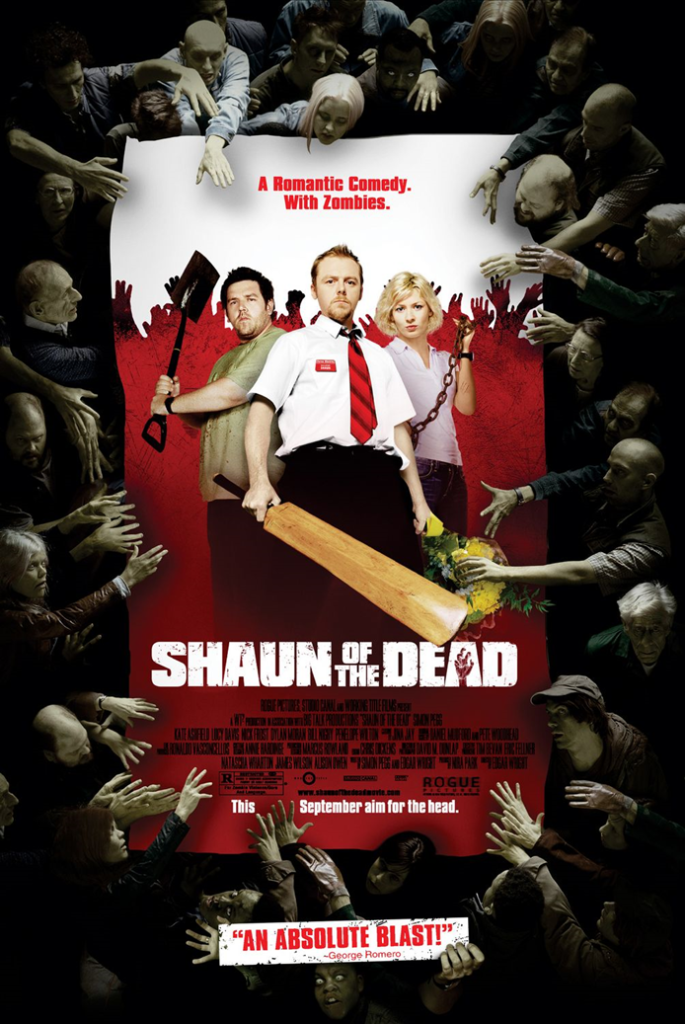
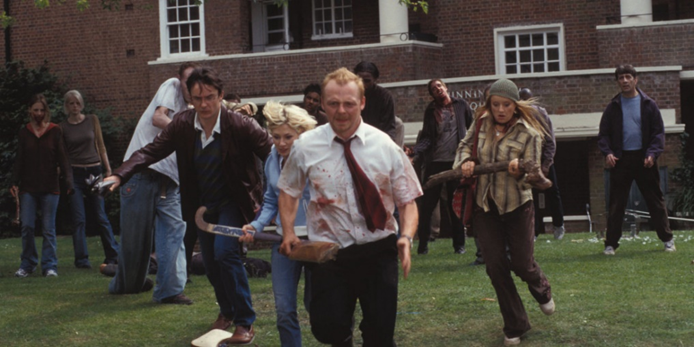
Shaun of the Dead (2004) Directed by Edgar Wright, “Shaun of the Dead” is a horror comedy movie that tells the story of an underachieving salesman (Simon Pegg) who must save his girlfriend, his mother, and his friends from a zombie apocalypse. The movie is known for its clever writing, its affectionate tribute to zombie movies, and its hilarious depiction of everyday life in the midst of a crisis.
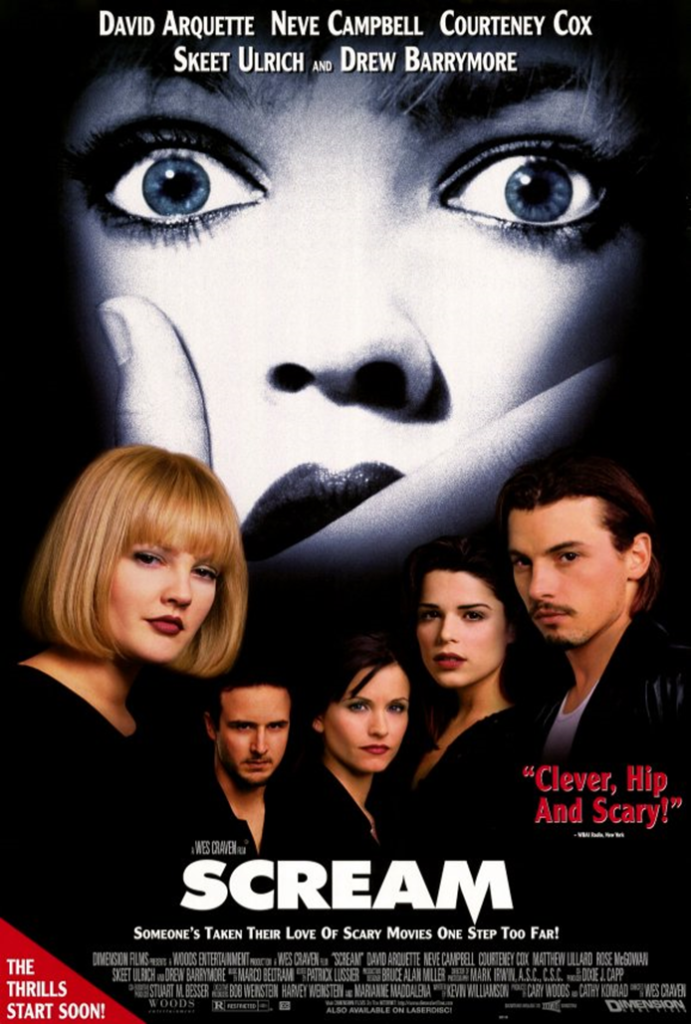
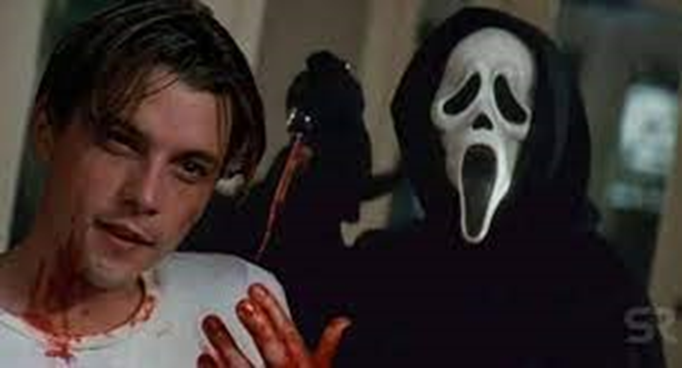
Scream (1996) Directed by Wes Craven, “Scream” is a horror comedy movie that satirizes the conventions of slasher movies while also delivering genuine scares. The movie follows a group of high school students who are terrorized by a masked killer known as “Ghostface,” who seems to be inspired by the horror movies they love. The movie is known for its self-aware humor, its metafictional approach to horror, and its iconic opening scene.
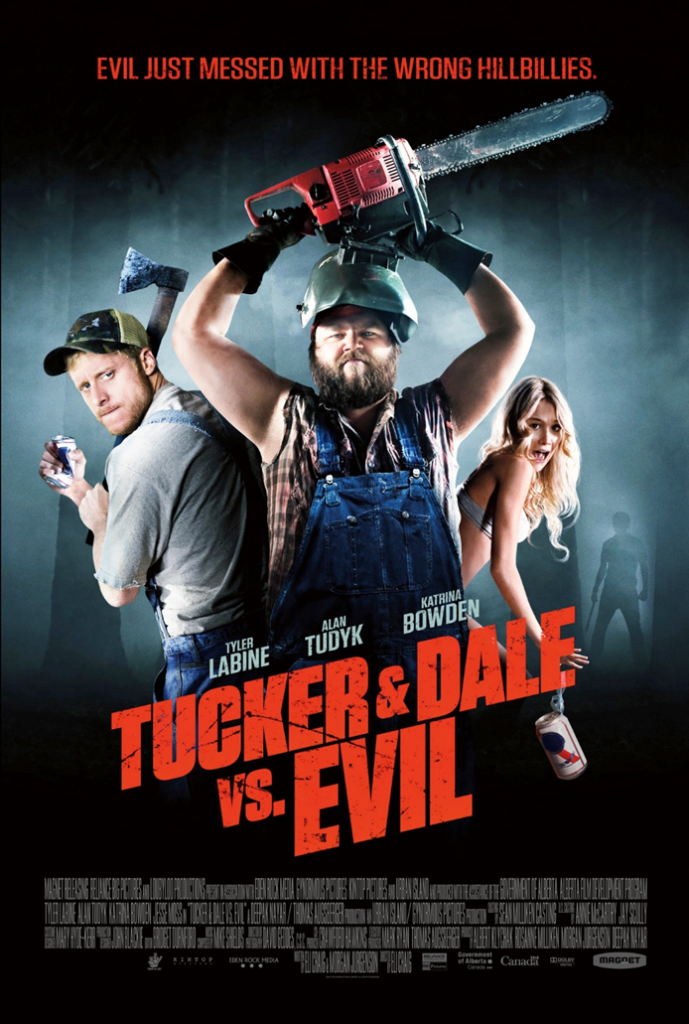
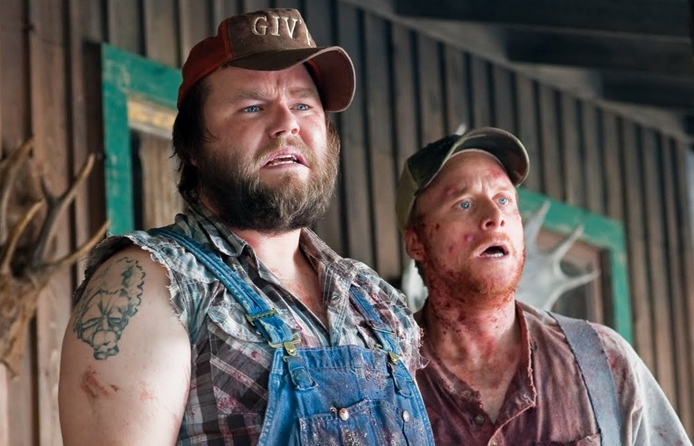
Tucker and Dale vs. Evil (2010) Directed by Eli Craig, “Tucker and Dale vs. Evil” is a horror comedy movie that turns the conventions of the “hillbilly horror” genre on their head. The movie follows two friendly hillbillies (Alan Tudyk and Tyler Labine) who are mistaken for serial killers by a group of college students. The movie is known for its clever writing, its inventive use of stereotypes, and its hilarious depiction of the misunderstandings that can occur in horror movies.
These horror comedy movies demonstrate the power of laughter and satire to subvert and deconstruct the conventions of horror, while also delivering genuine scares and thrills. They showcase the talent and wit of their writers and directors, and offer a fresh and entertaining take on the horror genre.
Chapter 9: Horror Movies from Other Countries
While Hollywood has produced many iconic horror movies, there are also many great horror movies from other countries that deserve recognition. These movies often draw on unique cultural and historical contexts, and offer fresh perspectives on the horror genre. In this chapter, we’ll explore the top horror movies from other countries.
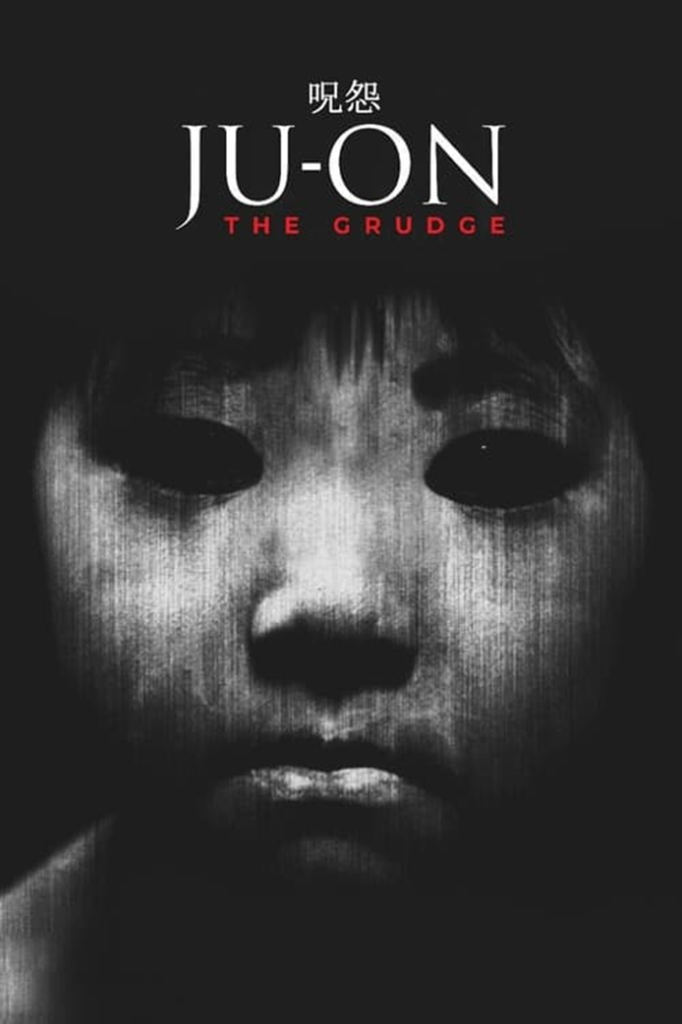
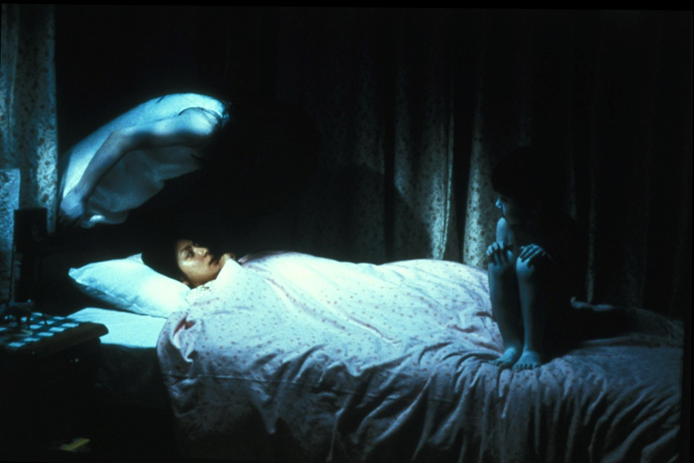
Ju-On: The Grudge (2002, Japan) Directed by Takashi Shimizu, “Ju-On: The Grudge” is a Japanese horror movie that tells the story of a curse that haunts a house in Tokyo, causing anyone who enters to become trapped in a cycle of terror and death. The movie is known for its chilling atmosphere, its use of sound and silence, and its iconic antagonist, the ghostly Kayako.
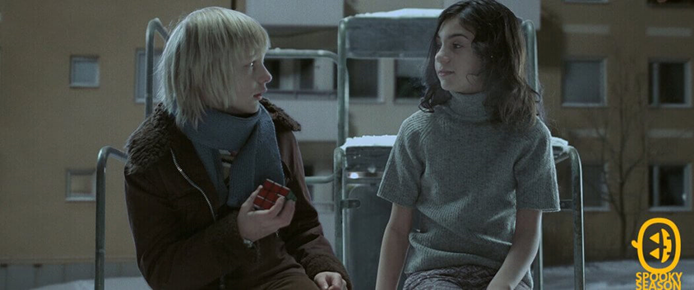
Let the Right One In (2008, Sweden) Directed by Tomas Alfredson, “Let the Right One In” is a Swedish horror movie that tells the story of a lonely boy who befriends a vampire girl. The movie is known for its atmospheric setting in a snowy suburb of Stockholm, its tender portrayal of childhood friendship, and its dark and violent themes.

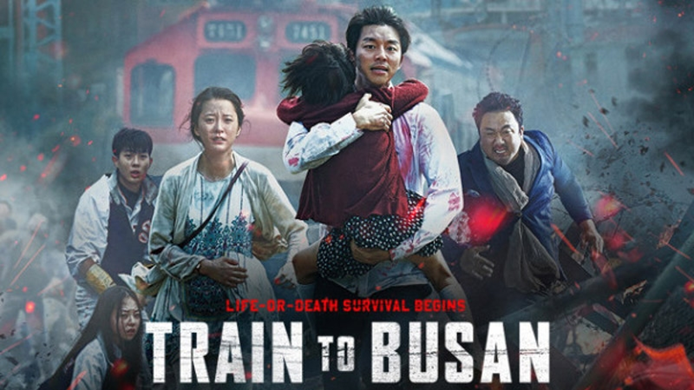
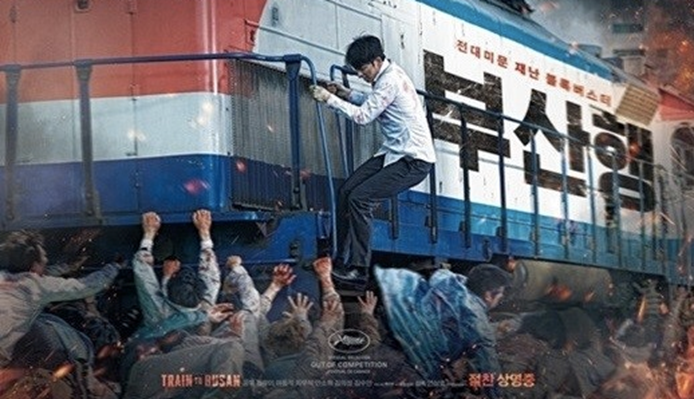
Train to Busan (2016, South Korea) Directed by Yeon Sang-ho, “Train to Busan” is a South Korean horror movie that tells the story of a father and daughter who are trapped on a train during a zombie outbreak. The movie is known for its intense action sequences, its emotional performances, and its commentary on social inequality and corruption.
These horror movies from other countries demonstrate the diversity and richness of the horror genre, and showcase the talent and imagination of filmmakers from around the world. They offer unique perspectives on horror, drawing on cultural and historical contexts that are unfamiliar to Western audiences. They remind us that fear is a universal emotion, and that horror can be a powerful tool for exploring the human experience.
Chapter 10: The Future of Horror Movies
The horror genre has been a staple of cinema since the early days of film, and it continues to evolve and adapt to new technologies and cultural trends. As we look to the future of horror movies, we can expect to see new approaches to storytelling, new techniques for creating scares, and new themes and topics that reflect our changing world.
One trend we’re already seeing is the rise of streaming services like Netflix and Amazon Prime, which are producing and distributing their own horror content. This has led to a wider variety of horror movies, as well as a greater emphasis on diversity and inclusion in casting and storytelling.
Another trend is the use of virtual reality and augmented reality technologies to create immersive horror experiences. These technologies allow audiences to be fully immersed in the world of the movie, and to experience scares in a more visceral and intense way.
In terms of themes and topics, we can expect to see horror movies that tackle issues like climate change, social inequality, and technology addiction. We may also see more horror movies that explore the darker side of human psychology, such as mental illness and trauma.
Overall, the future of horror movies looks promising, as filmmakers continue to push the boundaries of what is possible and to find new ways to scare and thrill audiences. Whether we’re watching in a traditional movie theater or in the comfort of our own homes, we can be sure that the horror genre will continue to captivate and terrify us for years to come.
Leave a Reply